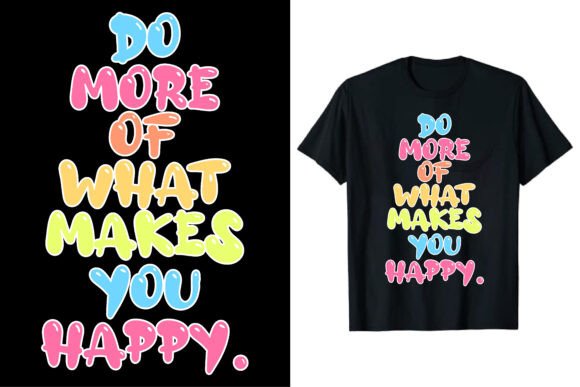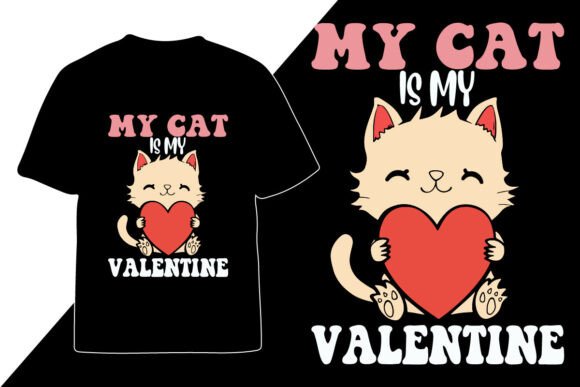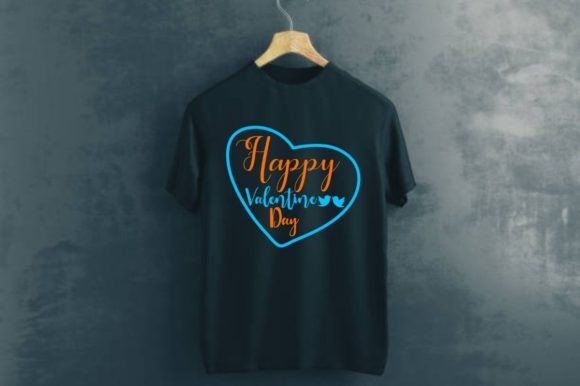
Happy Valentine Graphics for T-Shirt Designs
As a brand designer who has spent years refining visual identities for local businesses, I approach every new graphic design asset with a critical eye. It is not enough for a design to simply look cute; it must function within the broader ecosystem of small business branding. Recently, I evaluated the Happy Valentine Day Graphic Design to determine its viability for a real-world project involving a boutique candle maker and a local artisanal bakery. My goal was to assess whether this asset could elevate their seasonal packaging or if it would remain merely decorative.
First Impressions and Brand Personality
The initial encounter with this Happy Valentine Day Creative T-shirt design with great concept reveals a mood that is both playful and affectionate. The aesthetic leans heavily into a friendly, handmade vibe rather than a cold, corporate minimalism. For brands that pride themselves on organic ingredients, hand-poured quality, or personal customer service, this tone is invaluable. It suggests a brand personality that is approachable, warm, and festive.
However, versatility is key. While the design screams "gift," it does not feel overly juvenile. This balance allows it to fit seamlessly into various niches, from a high-end florist’s thank-you cards to a children’s product brand’s seasonal promotion. The visual weight is substantial enough to act as a hero graphic but soft enough to serve as a subtle accent on premium packaging.
Strategic Applications in Local Business Design
Many designers mistakenly limit such assets to apparel. While the product description highlights its ease of use on t-shirts, sweatshirts, hoodies, and tank tops, my review focuses on its potential for comprehensive brand identity development. Here is how I envision deploying this asset across a local business touchpoint matrix:
- Packaging Design: Use the graphic as a central focal point on box lids or jar labels. It breaks up text-heavy ingredient lists and adds emotional appeal.
- Product Labels: Ideal for limited-edition Valentine’s flavors or scents. The design draws the eye immediately on crowded retail shelves.
- Social Media Graphics: Perfect for Instagram stories and Pinterest pins. The high contrast ensures visibility even on small mobile screens.
- Printable Inserts: Enhance unboxing experiences by printing the design on thank-you cards or tissue paper seals.
- Promotional Materials: Effective on flyers, posters, and menu graphics for cafes hosting Valentine’s events.
The ability to print easily on mugs and wall art also opens revenue streams for handmade business owners looking to expand their product lines without investing in new design assets from scratch.
Enhancing Business Presentation and Trust
A cohesive visual strategy builds customer trust. When a consumer sees the same high-quality illustration on a website banner, a physical product label, and a social media ad, it reinforces professional branding. This specific graphic supports stronger first impressions by providing immediate visual hierarchy. It tells the customer exactly what the occasion is before they read a single word of copy.
Furthermore, consistent use of such themed graphics improves product recognition. If a local coffee shop uses this design on their seasonal cups, it becomes synonymous with their Valentine’s campaign. This emotional connection drives repeat purchases and encourages social sharing, effectively turning customers into brand ambassadors.
Where to Use It and Where to Exercise Caution
Not every context suits a festive graphic. In my evaluation, I identified clear zones where this asset excels and areas where it might detract from the user experience.
Best Use Cases:
- Hero graphics on landing pages during February.
- Decorative brand elements on hang tags and stickers.
- Seasonal packaging accents for gift sets.
- Boutique visuals for window displays.
Use With Caution:
- Avoid placing it over dense legal information or ingredient lists, as it may reduce readability.
- Do not use on very small labels where intricate details might blur during printing.
- It may clash with luxury minimalist brands that rely on stark whitespace and typography alone.
- Ensure sufficient contrast when placing on low-contrast backgrounds to maintain visual impact.
Practical Designer Notes for Implementation
Before integrating this digital product into a client’s workflow, several technical checks are essential. First, always test the asset on real product mockup templates. A design that looks crisp on a screen may lose definition when printed on textured paper or fabric. Check the PNG transparency to ensure clean edges without white halos, which is crucial for professional packaging design.
If available, inspect the SVG or vector editability. Vector files allow for infinite scaling without quality loss, which is vital for large-format prints like banners or wall art. Additionally, test the graphic alongside various typography styles. It pairs surprisingly well with bold sans serif fonts for a modern look, but also complements elegant script fonts for a more romantic, traditional feel. Avoid pairing it with overly decorative display fonts that might compete for attention.
Finally, verify the commercial license. For local business owners and creative entrepreneurs, ensuring you have the right to use the asset for physical product sales and commercial design projects is non-negotiable. This step protects your brand from legal issues and ensures ethical use of creative marketplace resources.
Final Verdict on Versatility
The Happy Valentine Day Graphic Design is more than just a seasonal clipart; it is a flexible tool for enhancing marketing visuals. Whether you are designing for a skincare brand launching a self-care kit or a bakery promoting heart-shaped cookies, this asset provides the necessary festive flair without sacrificing professionalism. By understanding its strengths in visual hierarchy and emotional resonance, designers can leverage it to create memorable, cohesive campaigns that drive sales and strengthen brand loyalty.
For those managing web design updates or editorial design layouts for seasonal newsletters, this graphic offers a quick way to refresh content. It bridges the gap between digital engagement and physical product appeal, making it a valuable addition to any designer’s toolkit for Q1 campaigns.