Reviewing Juneteenth Graphic Sublimation PNG for Stitch
As a designer who spends half my life digitizing and the other half staring at thread breaks, I approach every new Juneteenth Graphic Sublimation PNG with a mix of curiosity and caution. We see countless digital assets flood the market, but not all of them translate well from screen to fabric. When I pulled up this specific file, my first instinct was to look past the vibrant colors and examine the structural integrity of the shapes. For those of us in the embroidery world, a pretty picture is only half the battle; the real test is how it behaves under the needle.
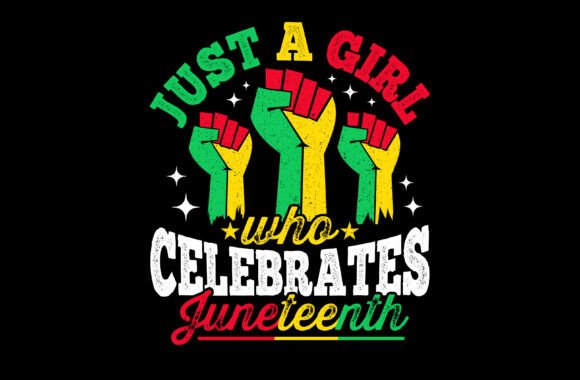
The initial impression of this design is bold and celebratory. The layout carries a strong visual personality that speaks directly to the significance of the holiday. However, because this is provided as a high-resolution PNG and an AI file rather than a pre-digitized embroidery file, the responsibility falls on you, the maker, to interpret these graphics into stitches. This is both a challenge and an opportunity. It means you have full control over stitch types, density, and color placement, allowing for a truly custom embroidery project that reflects your brand’s quality standards.
From Screen to Stitch: Real-World Application
I recently worked on a custom order for a boutique client who wanted a limited run of commemorative tote bags. This is where the Juneteenth Graphic Sublimation PNG proved its worth as a foundational asset. Using the AI file, I was able to trace the key elements and convert them into a clean vector path before digitizing. This step is crucial. If you are an Etsy seller or run a small shop product line, skipping the vector cleanup can lead to jagged edges and unnecessary stitch counts.
For this specific project, I chose a heavy canvas tote. The design’s broad shapes allowed me to use a combination of fill stitch for the larger background areas and satin stitch for the borders and text elements. The result was a crisp, professional finish that held up well against the textured fabric. Customers often judge a handmade product by its tactile quality, and the clarity of this graphic, when properly digitized, lends itself to a high-perceived value. It doesn’t look like a cheap transfer; it looks like intentional art.
Choosing the Right Canvas
Not every garment is created equal, and neither is every fabric. When evaluating where to place this design, consider the fabric texture and weight. I found that this graphic shines on medium-to-heavy weight cottons, such as those used in sweatshirt embroidery or durable aprons. The dense nature of the graphic requires a stable base. If you attempt to stitch this directly onto a thin, stretchy jersey without proper stabilization, you risk puckering and distortion.
For baby embroidery projects, such as onesies or soft blankets, I recommend scaling the design down significantly and simplifying the detail. Tiny lettering and intricate corners can become lost or cause irritation on sensitive skin. In these cases, focusing on the central symbol rather than the entire composite graphic might be a smarter move. Always test on scrap fabric first. This is non-negotiable for maintaining customer trust and ensuring your finished product survives the wash.
Navigating Technical Challenges
One of the most common pitfalls with graphic-based designs is stitch density. Because the Juneteenth Graphic Sublimation PNG features solid areas of color, there is a temptation to fill every pixel with thread. Resist this urge. High stitch density on large areas can make the garment stiff and uncomfortable. Instead, consider using an applique design technique. By cutting away the fabric and covering the edges with satin stitch, you reduce bulk while maintaining the visual impact of the graphic. This is particularly effective for embroidered patch creations or layered garments.
Color contrast is another critical factor. The original PNG comes with a transparent background, which is helpful for mockups, but you must choose thread colors that pop against your chosen fabric. On dark fabrics, ensure your lightest threads have enough coverage to avoid seeing the base material through the stitches. On light fabrics, be mindful of shadowing from darker threads. I always create black and white mockups before threading the machine to check for value contrast. If the design disappears in grayscale, it will likely lack definition in thread.
Commercial Viability and Brand Consistency
For commercial embroidery professionals, consistency is key. Using a high-quality source file like this AI and PNG set ensures that every unit you produce looks identical. This is vital for boutique branding and building a loyal customer base. Whether you are creating holiday embroidery gifts or year-round custom apparel, the professionalism of your output depends on the precision of your input.
It is also important to address the licensing aspect. While this package provides the visual assets, it does not automatically grant rights for all commercial uses unless specified by the creator. Always confirm licensing before selling digital embroidery file derivatives or finished items. As a craft business owner, protecting your legal standing is just as important as protecting your needle bar.
Final Thoughts for the Modern Maker
The Juneteenth Graphic Sublimation PNG is a versatile asset for those willing to put in the digitization work. It is not a plug-and-play solution for those who lack embroidery software skills, but for the experienced designer, it offers a robust foundation. The 300 DPI resolution ensures that when you zoom in to trace paths, the edges remain sharp, allowing for precise running stitch outlines and clean fills.
Whether you are designing for a tote bag design series, creating personalized holiday gifts, or expanding your T-Shirt Designs portfolio with embroidered accents, this graphic holds up. It respects the gravity of the subject matter while offering the aesthetic flexibility needed for modern design assets. Just remember to respect the fabric, mind your stabilizer, and let the quality of your stitching speak for itself. In the world of handmade goods, details are everything, and this design gives you the raw material to make those details count.