Reviewing the Summer Tshirt Design Graphic Vector
As a designer who spends half my life digitizing and the other half stitching, I have learned to look at a Summer Tshirt Design Graphic Vector with a critical eye. It is not enough for a graphic to look pretty on a screen; it must survive the needle, the thread, and the wash cycle. When I first opened this file, my immediate thought was about versatility. The clean lines and balanced composition suggest a design that bridges the gap between digital printing and physical embroidery, a rare find in today’s saturated market of T-Shirt Designs.
First Impressions and Visual Mood
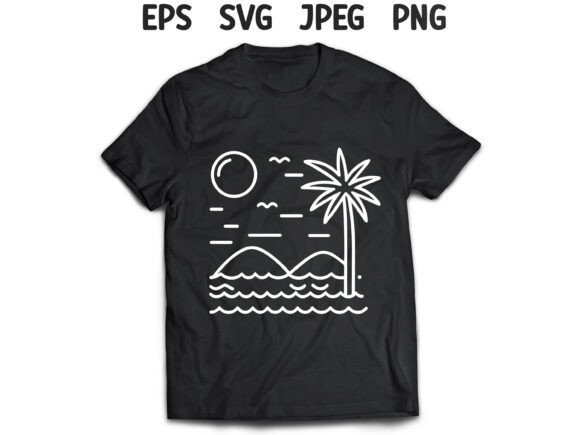
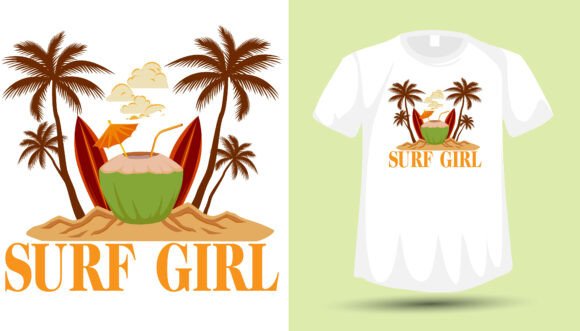
The aesthetic of this vector is undeniably warm and inviting. It captures the essence of leisure without relying on cliché tropical overload. For an embroidery project, this is crucial. Overly complex backgrounds often turn into a muddy mess of thread when stitched out. This design, however, relies on strong shapes and clear negative space. The layout feels open, allowing the fabric texture to breathe through the stitches. This visual personality makes it ideal for projects where you want the garment to feel premium rather than cluttered.
When evaluating Graphics for real-world use, I always check how the elements interact. Here, the flow is natural. Whether you are planning a bold chest print or a subtle sleeve accent, the design scales well. It does not lose its identity when shrunk down, nor does it look sparse when enlarged. This adaptability is key for small business owners who need one asset to serve multiple product lines.
Real-World Application: The Custom Tote Scenario
To truly test a design, I imagine it on a specific product. Let’s consider a custom embroidered tote bag made from heavy canvas. This is a popular item for boutique branding and craft fair products. Using the Summer Tshirt Design Graphic Vector here requires careful planning. Because canvas has a distinct weave, the stitch density must be managed correctly. If the design were too dense, the fabric would pucker. Fortunately, the open nature of this vector suggests it would sit beautifully on textured fabric.
I envision using a combination of satin stitch for the borders and fill stitch for the larger solid areas. The result would be a tactile, high-quality handmade product that feels substantial to the touch. Customers often judge the value of a personalized gift by its weight and texture. A well-executed embroidery job using this design would signal professionalism and care, increasing buyer engagement and trust.
Apparel and Wearables
Beyond totes, this design shines on custom apparel. Imagine it on a lightweight linen shirt or a structured hoodie. For a sweatshirt embroidery project, the design’s simplicity ensures it remains legible even on fluffy fleece textures. However, on thinner fabrics like a standard cotton tee, you must be cautious. I recommend using a cut-away stabilizer to prevent distortion. The design works exceptionally well as a tote bag design or as a focal point on a cap, provided you adjust the pull compensation for curved surfaces.
For those running an Etsy seller shop, this asset is a goldmine. It can be adapted for baby embroidery on onesies, where softness and low stitch count are priorities. By reducing the size and simplifying the color palette, you create a delicate holiday embroidery piece or a year-round staple for nursery decor. The versatility allows you to create a cohesive brand look across different items, from aprons to pillow covers.
Technical Considerations for Embroiderers
While the visual appeal is strong, the technical execution requires attention. As an experienced reviewer, I must highlight areas where caution is needed. Tiny lettering or intricate corners in any vector can cause thread breaks if not properly digitized. Since this is a vector file intended for various uses including cut machines and engraving, it may not come pre-digitized for embroidery. You will likely need to convert it into a proper machine embroidery design format.
During this conversion, pay close attention to stitch density. High density looks luxurious but can stiffen the fabric. For a finished product that needs frequent washing, such as a kitchen towel or tea towel, keep the density moderate. Use running stitch for underlay to anchor the design securely without adding bulk. Always test the design on scrap fabric first. This step is non-negotiable for professional results.
Check your thread colors against the fabric background. On dark fabric, you may need to add a white underlay or choose lighter thread shades to ensure the design pops. Conversely, on light fabric, ensure there is enough contrast so the details do not get lost. Testing in black and white mockups can help you visualize the contrast before you thread up the machine.
Commercial Viability and Licensing
For creative entrepreneurs and digital product sellers, understanding the usage rights is vital. The product description indicates these files can be used for t-shirts, hoodies, scrapbooking, mugs, cut machines, vinyl decals, printable decorations, cards, invitation designs, stickers, iron-on transfers, and engraving. This broad range suggests the vector is optimized for cutting and printing primarily.
If you intend to use this for commercial embroidery, you must verify if the license covers digitized derivatives. Many vector licenses allow for physical end-products but restrict the resale of the digital file itself. Always confirm licensing before selling finished items or digital products. Assuming the license permits it, this design assets package offers excellent value. It allows you to create matching sets, such as a printed mug and an embroidered tote, enhancing your brand consistency.
Final Verdict for Makers and Designers
The Summer Tshirt Design Graphic Vector is a robust tool for any maker’s toolkit. It is not just a pretty picture; it is a functional design element that respects the constraints of physical production. Whether you are creating an embroidered patch for a local club or a high-end custom apparel line for a boutique, this design holds up. Its strength lies in its clarity and adaptability.
Remember, the best embroidery file is one that complements the fabric and the purpose of the item. Do not force a complex fill where a simple satin border will do. Use this vector as a foundation, but apply your craftsmanship to bring it to life. Check the hoop size compatibility with your machine, select the right stabilizer, and choose threads that enhance the summer mood. With careful execution, this design will elevate your small shop product offerings and delight your customers with its professional finish.
In conclusion, for hobbyists and professionals alike, this vector represents a smart investment. It saves time on concept development and provides a reliable base for experimentation. Just keep the practical limitations of embroidery in mind, test thoroughly, and let the quality of your stitching speak for itself. This is how you build a reputation for excellence in the world of handmade goods.