Softball Tshirt Design Graphic Vector: A Designer’s Review
When I first pulled up the Softball Tshirt Design Graphic Vector on my screen, I wasn’t just looking at a pretty image. As someone who spends half their life digitizing and the other half stitching, I was immediately scanning for potential pitfalls and opportunities. This isn’t just another clipart file; it is a versatile asset that bridges the gap between digital graphics and tangible, stitched reality. For embroidery designers, small business owners, and crafters, understanding how a vector translates to thread is the difference between a best-selling item and a pile of unpicked stitches.
First Impressions and Visual Personality
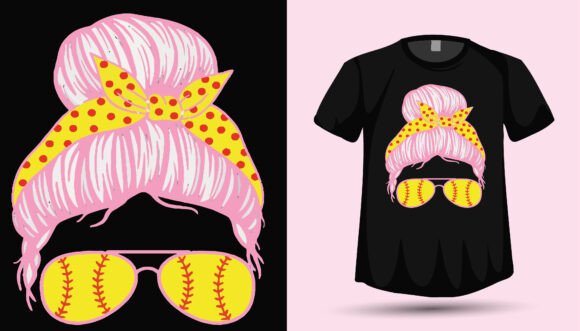
The immediate mood this design projects is energetic and nostalgic. It captures the spirit of the game without relying on overly complex shading that would nightmare any machine operator. The layout feels balanced, with clean lines that suggest movement. For those of us working in T-Shirt Designs and broader Graphics, this clarity is crucial. A muddy design looks amateurish on a hoodie, but a crisp, well-defined graphic commands respect.
I appreciated the visual personality right away. It doesn’t scream for attention with chaotic details; instead, it invites the viewer in with recognizable shapes and a sporty aesthetic. This makes it an ideal candidate for a wide range of applications, from high-end boutique merchandise to fun, casual handmade products. When you are evaluating a design for real project use, you have to ask: does it look good scaled down? Does it hold its integrity when blown up? With this softball-themed graphic, the answer leans heavily toward yes, provided you manage your stitch density correctly.
Real-World Application: The Custom Sweatshirt Scenario
Let’s move from theory to practice. Imagine a client comes to your small shop requesting a custom gift for their daughter’s senior softball season. They want something durable, stylish, and personal. You decide to use the Softball Tshirt Design Graphic Vector as the centerpiece for a heavyweight cotton sweatshirt. This is where the rubber meets the road.
Because this file is versatile—suitable for vinyl decals, iron-on transfers, and direct embroidery—you have options. However, for a premium feel, embroidery is king. I envisioned placing the design on the left chest for a subtle, professional look, or larger on the back for a team vibe. The clean lines of the vector allow for smooth satin stitches on the borders and efficient fill stitches for any solid areas. If you were to use this for a tote bag design, the durability of the thread would outlast any printed ink, making it a superior choice for items that will see heavy use.
For Etsy sellers and creative entrepreneurs, this versatility is a goldmine. You aren’t limited to apparel. Think about embroidered patches for caps, personalized gifts like kitchen towels for the sports mom, or even nursery decor for a baby shower where the parents are avid fans. The design’s adaptability means you can create a cohesive brand presence across multiple product lines, enhancing customer trust and brand consistency.
Navigating Fabric and Hoop Constraints
While the design is strong, no graphic is universal without adjustment. Here is where my experience as a reviewer kicks in. You must consider where this design should be used carefully. If you are working with textured fabrics like terry cloth or waffle knit, the finer details might get lost. In these cases, increasing the stitch density slightly or opting for a bolder applique design approach could save the day.
Dark fabric presents another challenge. If you are stitching on a navy or black hoodie, ensure your thread colors have enough contrast. A dark red on black might look muddy from a distance. I always recommend testing your thread color combinations on scrap fabric first. Furthermore, if you are using this on stretchy fabric, proper stabilizer is non-negotiable. Without it, your beautiful softball graphic could pucker and distort, ruining the finished product.
Curved surfaces, such as caps, require extra attention. The hoop size limits what you can do, and the curvature can distort straight lines. If the vector has long, straight elements, they might bow on a cap. Always check the design in a 3D mockup if possible, or stitch a test run on a similar curved surface before committing to client work. For small hoop sizes, you may need to simplify the design, removing tiny lettering or intricate corners that the needle simply cannot navigate accurately.
Enhancing Product Value and Buyer Engagement
Why does this matter for your bottom line? Because quality sells. A well-executed embroidery project using a clean vector like this elevates the perceived value of your item. Customers can tell the difference between a cheap print and a thoughtfully stitched design. It adds a tactile dimension that digital prints lack, fostering a deeper emotional connection with the buyer.
For digital product sellers, offering this as part of a bundle with printable mockups can boost sales. Show potential buyers how the design looks on a mug, a sticker, or a vinyl decal. This helps them visualize the end result, increasing buyer engagement. For handmade shop owners, showcasing the design on various items—like cards, invitation designs, or stickers—demonstrates versatility and encourages larger orders.
Practical Notes for the Embroidery Designer
Before you hit "start" on your machine, keep these practical tips in mind:
- Test on Scrap Fabric: Never stitch a new design directly on the final garment. Use similar weight and texture scraps to check for puckering or thread breaks.
- Check Thread Color Contrast: Ensure your chosen palette stands out against the fabric background, especially for dark garments.
- Review Stitch Density: Too dense, and you risk perforating the fabric; too light, and the backing shows through. Adjust based on the material.
- Confirm Hoop Size: Make sure the design fits comfortably within your hoop, leaving room for stabilization.
- Inspect Small Details: Zoom in on the vector. Are there tiny elements that might not stitch well? Simplify if necessary.
- Verify Licensing: Since these files can be used for commercial purposes like T-shirts, hoodies, and vinyl decals, always confirm the specific license terms before selling finished items or digital products.
In conclusion, the Softball Tshirt Design Graphic Vector is a robust tool for any designer’s arsenal. It offers the flexibility needed for modern craft businesses while maintaining the aesthetic quality required for professional results. Whether you are creating a one-of-a-kind personalized gift or stocking your Etsy shop with seasonal favorites, this design holds up under scrutiny. Just remember to respect the materials, plan your stitches, and let the design shine through your craftsmanship.